
Does your rental property meet the Healthy Homes standards?
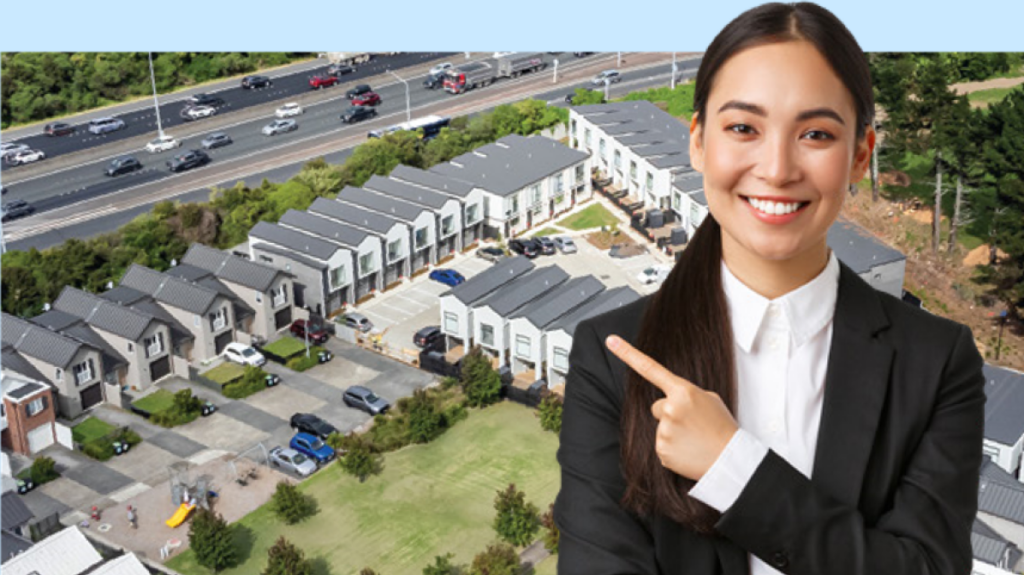
Does your rental property meet the Healthy Homes standards? Calling all landlords, as you have less than a year to meet the Healthy Homes standards, which became law on July 1, 2019. All rental properties must comply with these standards by July 1, 2025, and maintained over time. The Healthy Home standards aim to improve tenants’ living conditions by making their homes warm, dry and safe. Five basic requirements must be met: Heating, Insulation, Ventilation, Moisture ingress and drainage, and draught stoppage. The law came into action as rental homes were perceived as having more quality issues than owner-occupied homes. The new standards will help improve the living and health conditions of the tenants while protecting your investment, as you are less likely to face mold issues or mildew damage Let’s deep dive into what actions you must take: Heating: You must provide at least one fixed heater, especially for the main living room. Heat pumps may be the most common choice, but other types are also allowed. You must make sure the heating capacity meets or exceeds the calculated capacity. It’s imperative that you carry out regular checks and maintenance of all systems. Insulation: Ceiling and underfloor insulation are now mandatory and must follow the local rental area standards. For example, thicker insulation will be required in colder regions, and warmer areas may have different requirements. Proper insulation helps with temperature maintenance and reducing energy costs while caring for the tenant’s comfort and health. Ventilation: Your living space must have a window or door that opens outdoors. The idea is to ensure air circulation and minimize moisture buildup. Kitchens and bathrooms must have an extractor fan to manage moisture and humidity while preventing mold growth. After these changes, the air quality improves significantly inside homes and reduces health risks related to poor air circulation and dampness. Moisture ingress and drainage: Your rental property must have an efficient drainage system. The gutters and downpipes must be well-maintained to prevent water stagnation or flooding. Your pipes should be connected to a stormwater drain, and there must not be any standing water on your property. Avoid an unhappy tenant, as poor drainage can have a structural impact and increase your maintenance costs. Draught stoppage: You must block any unreasonable gaps or holes in walls, ceilings, windows, floors and doors that cause noticeable draughts. It ensures energy efficiency, as you can reduce costs due to heat loss. Your tenants will thank you for the comfort a warm home can bring. If your rental homes do not comply with the obligations under the Healthy Homes standards, you are liable to be held in breach of the Residential Tenancies Act 1986, and may face financial penalties or other enforcement action. So, do not delay. Take action now to ensure your rental properties comply with the Healthy Homes standards. This proactive approach will not only protect your investment but also enhance your standing in the rental market. News Latest News Feeds All Posts Owner’s checklist for top-class property management in Auckland November 18, 2025Read More Top 10 benefits of hiring the right property management company in Auckland November 13, 2025Read More Here’s a guide to choosing the right property manager in Auckland October 6, 2025Read More
Be smoke-alarm ready

Be smoke-alarm ready You could be a tenant or an owner. It’s now time to comply with the New Zealand Building Code update, which states that starting November 1, 2024, all new homes must have a smoke alarm system. As an owner, you must ensure that smoke alarms work in your rental property. The building code mandates installing a Type 1 smoke alarm or multiple interconnected smoke alarm devices Each device must include a smoke detector and an alarm. Interconnected smoke alarms send signals to other smoke alarms in a house, and when one alarm detects a fire and goes off, all the other smoke alarms in the house are activated. This interconnected system provides an additional layer of safety, especially when the occupants are not in the same room or are sleeping, making you feel more secure and protected. You must install smoke alarms within three metres of each bedroom door, in every room where a person sleeps, and in living spaces. A building owner or developer must ensure they’re available in the hallways, landings, and at each level or storey of a multi-unit home.Smoke alarms are also mandatory in boarding houses, rental caravans and self-con tained sleep-outs. The new smoke alarms must be photoelectric with a battery life of at least eight years or hard-wired. They must be installed according to the manufacturer’s instructions and meet international standards. The smoke alarms should also come with a hush-and-test button. Place your new smoke alarms on or near the ceiling. Installing them in the centre of a room may be a good bet, considering how other electrical appliances could delay or cause nuisance alarms. The manufacturer’s user guide and the Building Code document can be of more help. As an owner, you will ensure that smoke alarms function properly at the start of each new tenancy and remain in working condition. Meanwhile, if you are a tenant, it’s your responsibility not to remove, disconnect or damage the smoke alarm. You must also replace dead batteries and inform your landlord immediately if there are any problems with the smoke alarms. Both owners/landlords and tenants are liable to pay penalties if they do not fulfill the requirements and obligations, and more importantly, they put lives at risk if the smoke alarms do not function properly. Oaks Property Management This new Building Code update will make your homes safer and more secure News Latest News Feeds All Posts Owner’s checklist for top-class property management in Auckland November 18, 2025Read More Top 10 benefits of hiring the right property management company in Auckland November 13, 2025Read More Here’s a guide to choosing the right property manager in Auckland October 6, 2025Read More