OAKS Property Management
Elevate Your Property
Experience with Oaks
why OAKS ?

Join hands with OAKS and make your property work for you
OAKS is the ONLY property management company in New Zealand Certified to ISO9001 for residential, resident’s societies, body corporate and built-to-rent property management
Best-in-class tenant management
Peerless risk governance
Unmatched value for your investment
Superior standard of living
our mantra
Maximise your return on investment
Maintain your properties in best condition
Empower you to focus on your business
Brought to you by Oaks Property Management
Discover Houses & Homes For Rent
Available : 27 Aug 2026
Available : 14 Sept 2026
Available : 25 Sept 2026
news
Latest News Feeds
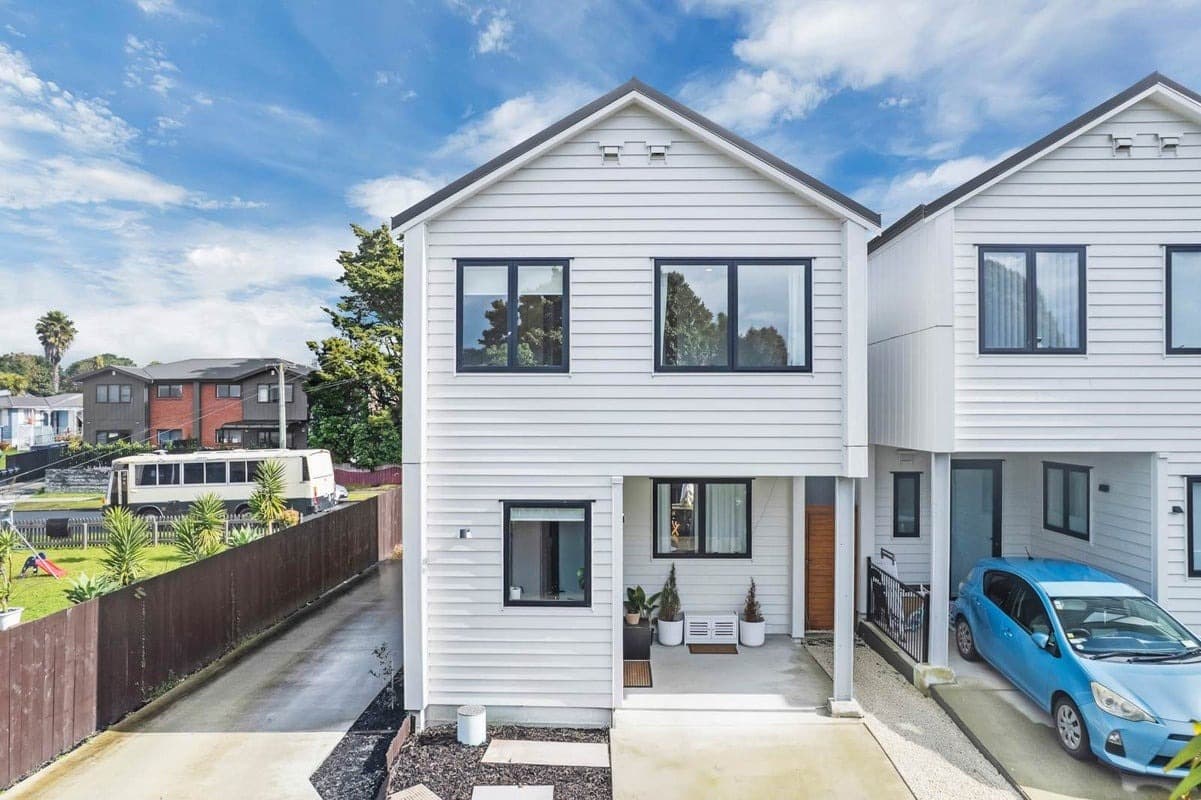
Auckland Houses for Rent: What Tenants and Landlords Need to Know in 2026
Renting or managing a property in Auckland right now feels a bit like trying to read the weather. If you have been searc...
14 September 2026read more

Is Affordable Housing in Auckland Actually Possible? Here is What the Data Says
Let's be honest. Buying a home in Auckland has never felt easy. For years, first home buyers have watched prices climb,...
8 September 2026read more

Be smoke alarm ready
You could be a tenant or an owner. It’s now time to comply with the New Zealand Building Code update, which states that...
20 May 2026read more

